Programming starts the morning of Sunday, January 18. Programming will end at noon on Tuesday, January 20.
Program details will be updated as they are confirmed.
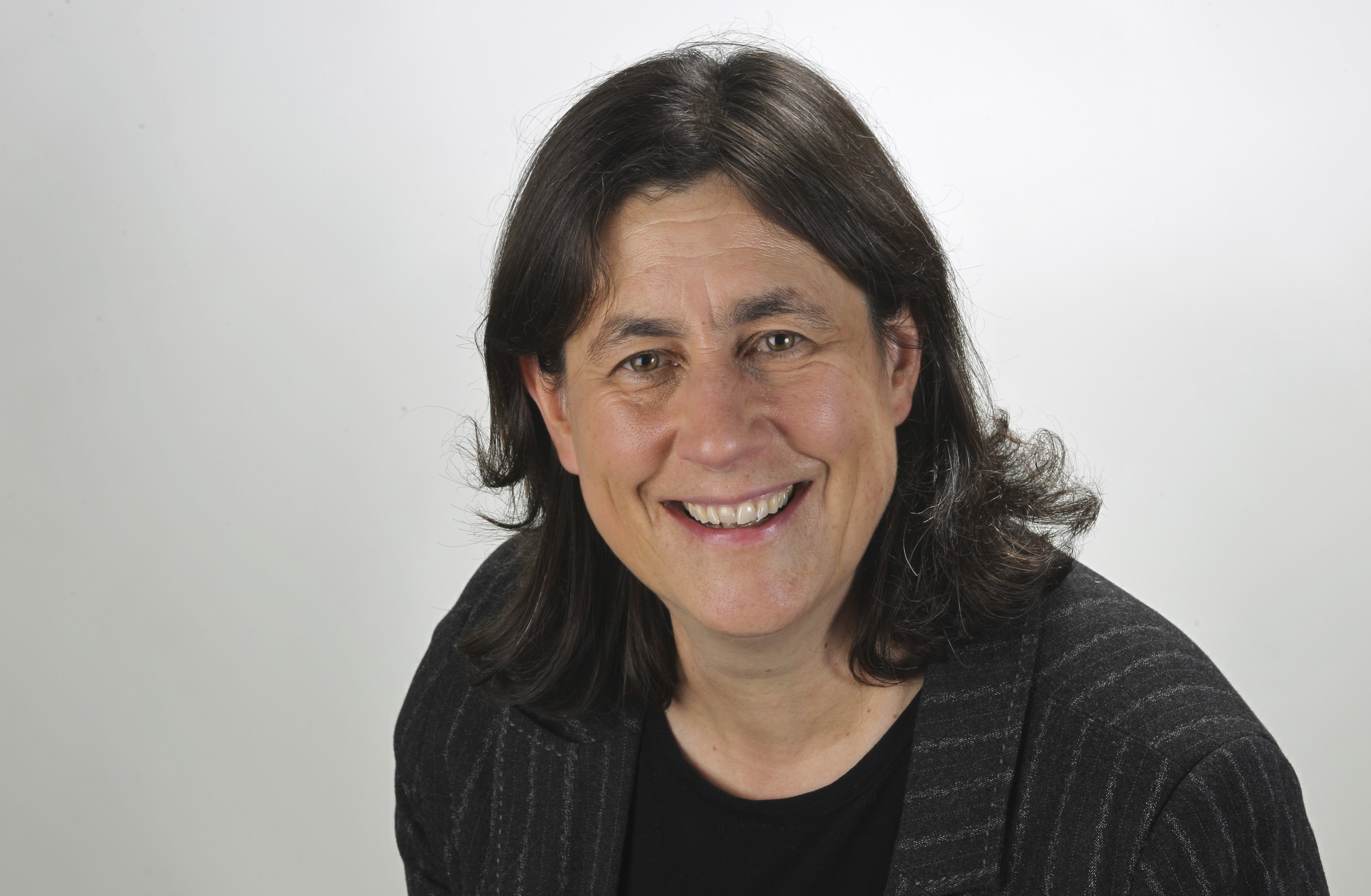 |
Back by popular demand, prolific journalist Chantal Hébert returns to ROMA 2026 for another passionate address about public policy and national politics.
Chantal Hébert is a freelance political columnist frequently featured on the radio, television, and in print. She is also a weekly participant on CBC’s The National’s political panel “At Issue” and Peter Mansbridge’s podcast, “Good Talk.”
|
Hébert began her career in Toronto as a reporter for the regional newsroom of Radio-Canada in 1975 before moving on to Parliament Hill for Radio-Canada. She served as parliamentary bureau chief for Le Devoir and La Presse.
Currently a Senior Fellow of Massey College at the University of Toronto, Hébert holds honorary degrees from a dozen Canadian Universities and is a graduate of Glendon College at York University. She is a recipient of two Asia-Pacific media fellowships (Malaysia and Japan) and was awarded the APEX Public Service Award in 2005, the Hyman Solomon award for excellence in journalism and public policy in 2006, and York University’s Pinnacle Achievement Bryden Alumni award. In 2012, Hébert was appointed to the Order of Canada and in 2019, her peers in the Parliamentary Press Gallery awarded her the Charles Lynch award for her longstanding coverage of national issues.
Hébert is the author of two books: French Kiss: Stephen Harper's Blind Date with Quebec, and The Morning After: The 1995 Quebec Referendum And The Day That Almost Was.
Sunday, January 18
| 8:00am - 6:00pm |
Registration Open, sponsored by Ontario Real Estate Association |
| 8:30am - 10:30am |
Workshops
- Raising Corporate Sponsorship Revenues in Rural Municipalities, sponsored by The Partnership Group, Sponsorship Specialists
This workshop is designed for rural municipalities to better understand the opportunities in raising revenues outside of increased taxes or user fees. As the sponsorship and commercial naming rights landscape for rural municipalities differs from urban centres, this session will focus on the rural experience and your unique opportunities.
Join us to better understand the benefits, the drawbacks, the issues and the celebrations of corporate partnership and naming right deals in rural municipalities in Ontario.
If your rural municipality has ever considered getting into the “sponsorship and naming right” game or if you are already doing it and want to know more about it and the pros and cons or how to fix your existing program, this is the session for you.
- Planning Canada’s Next Deep Geological Repository: Your Voice Matters, sponsored by the Nuclear Waste Management Organization
The Nuclear Waste Management Organization (NWMO) is beginning the process to identify a site for Canada’s second deep geological repository – a facility designed for the safe, long-term storage of intermediate- and high-level nuclear waste.
We know that strong communities are built on trust, transparency, and collaboration. That’s why we’re committed to listening to local voices from the very start. Over the next two years, we’ll be engaging with municipalities, Indigenous communities, industry, and other stakeholders to shape the site selection process. Your input will help guide how this project moves forward.
Why should rural municipalities get involved?
Rural municipalities play a vital role in shaping decisions that affect land use, infrastructure, and economic development. Your perspective matters. Join this workshop to learn more about Canada’s second deep geological repository, review the draft site selection plan, and share your feedback. Together, we can ensure this process reflects the priorities and values of rural communities.
- Shifting Citizenry, Shifting Services: What Council Must Plan for Now
Our communities are changing. New populations bring new needs and expectations. Small and rural communities in Ontario are equally challenged with managing growth or depopulation, changing demographics, and insufficient affordable housing. Once municipal leaders gain a better understanding of the shifts taking place in their communities they can address these changing needs through proactive infrastructure management, housing needs assessments, and integrated capital planning.
Join this session to share the challenges you face and learn about tools and strategies to address them.
- HEARing Rural Voices: Data Municipalities Can Use Tomorrow
Rural Ontario needs better data to support effective planning, economic development, and climate adaptation. The HEAR Initiative (Health, Economics, Adaptation in Rural Communities Initiative) is designed to meet that need. In this interactive workshop, rural leaders will explore how HEAR’s new resident-level data will strengthen municipal decision-making, support funding and advocacy, and reflect the lived realities of rural communities across Ontario. Join us to help shape the future of rural data.
- Exercise Cold Front: Strengthening Provincial-Municipal Coordination During an Ice Storm
Our municipalities are the first line of defense during any severe weather event. Exercise Cold Front will test how local governments collaborate with Ontario’s Ministry of Emergency Preparedness and Response under the province’s new one-window approach. In this tabletop exercise, we are focusing on activating provincial support and leveraging Ontario Corps resources to enhance municipal response capabilities during an ice storm scenario. Participants will explore strategies for seamless coordination, resource mobilization, and effective communication to ensure a resilient and unified emergency response.
|
| 11:30am – 12:30pm |
Zone Meetings and Lunch |
| 1:00pm – 2:15pm |
Concurrent Sessions:
- The Dirt on Cemeteries
Municipalities are responsible for abandoned cemeteries within their jurisdiction. There has been a growing number of rural municipalities who have had to take responsibility for cemeteries as local places of worship are sold, often without sufficient care and maintenance funds. This session will provide rural municipalities with information and insights on their responsibilities for cemeteries in their community.
- Leveraging New Opportunities to Develop Housing in Rural Ontario
Strategic methods and innovative ways can be used to leverage opportunities to grow rural communities and create new market and non-market housing for low- and moderate-income households. An opportunity to explore is working with Build Canada Homes to ensure that rural Ontario will benefit from this new federal housing initiative.
- Strengthening Rural Vitality through Arts and Culture
This concurrent will explore how arts and culture can be a driving force for spurring economic development in rural communities and will share on the ground experiences from rural municipalities.
- Rural Road Safety
Rural roads tend to be older, in poorer condition, and incorporate only basic road safety infrastructure. As a result, while rural Ontario is home to 17 per cent of the population, 55 per cent of the road fatalities occur on rural roads. This session hears from municipalities that have been able to successfully improve road safety and discusses potential approaches to addressing this issue across province.
|
| 2:15pm - 2:45pm |
Coffee Break with Exhibitors, sponsored by Wildfire Resilience Consortium of Canada |
| 2:45pm - 5:15pm |
Plenary Program
|
| 5:15pm - 6:15pm |
Welcome Reception in Trade Show, sponsored by Canadian Beverage Association and Airbnb |
Monday, January 19
| 7:00am - 5:00pm |
Registration Open, sponsored by Ontario Real Estate Association |
| 7:30am - 3:30pm |
Trade Show Open |
| 7:30am - 8:15am |
Breakfast |
| 7:30am - 8:15am |
Rural, Remote and Forgotten: Addressing the Health Human Resources Crisis in Seniors’ Care, sponsored by AdvantAge |
| 8:30am - 9:45am |
Plenary Program
- 8:30am: Chief Margaret Sault, Mississaugas of the Credit First Nation
- 8:45am: Rural Infrastructure Panel: Infrastructure investment is critical to supporting growing communities, however, funding constraints severely limit rural municipalities' ability to invest in and maintain infrastructure, exacerbated by their vast geographies and small populations. This session explores and addresses rural Ontario’s unique infrastructure challenges.
- Ben Dachis, Vice President of Research and Outreach, Clean Prosperity
- Brooke Lambert, Chief Administrative Officer, Township of Wellington North
- Bronwynne Wilton, Councillor, Township of Centre Wellington
- 9:30am: Remarks from Independent Electricity System Operator
- 9:35am: The Hon. Doug Ford, Premier of Ontario
|
| 9:45am - 10:15am |
Coffee Break with Exhibitors, sponsored by ATS Traffic |
| 10:15am - 11:30am |
Concurrent Sessions:
-
Best Practices from Rural Community Safety and Wellbeing Plans
Community Safety and Wellbeing Plans must be renewed every four years. With many communities coming to the end of their first cycle, this session will share lessons learned, best practices, and discuss further support needed to strengthen community safety in rural Ontario.
- Strategies for Managing Rural Land
Rural municipalities cover 96% of Ontario’s land area. Hear case studies from practitioners about how to incorporate measures to protect and manage this land into municipal policies and programs
- The Roadmap for Waste – Unpacking Where Rural Municipalities Fit
Explore the current challenges and trends of municipal waste management and the impacts and/or opportunities that transitioning to a circular economy will have for rural municipalities. Explore what the role of municipalities in waste management should be going forward as we move towards producer responsibility mode and learn about innovative solutions to advancing the circular economy in local communities.
-
Getting Accurate Information to Residents
Reduced civic knowledge, the decline in local journalism, and misinformation easily shared through social media are fueling incivility and toxic discourse. This session looks at strategies municipalities can use to get accurate information about municipal services and Council decisions seen and understand by residents.
-
Indigenous and Municipal Relationship - Actioning AMO's IRAP in Meaningful Way First Nation Chiefs from across Ontario will share practical lessons on building strong, respectful municipal–Indigenous relationships. Delegates will learn concrete ways to implement AMO’s Indigenous Reconciliation Action Plan in their own communities to advance collaboration and reconciliation.
|
| 11:45am - 12:45pm |
Learning Lunches
- Back to Basics: Natural Gas, Economic Fundamentals & Our Growth Path, sponsored by Enbridge
- Investment Dollar Earned, Tax Dollar Saved: The Opportunity to Finance Municipal Infrastructure, sponsored by ONE Investment
- The New Intersection: Energy and Economic Policy, sponsored by IESO
- MPAC: Supporting rural decisions with trusted MPAC data
- Power back on: How Hydro One Restores Power After Outages, sponsored by Hydro One
- A Lunchtime Dive into Water Solutions, sponsored by Ontario Clean Water Agency
|
| 12:45pm - 1:15pm |
Dessert with Exhibitors |
| 1:15pm - 2:30pm |
Concurrent Sessions:
-
Unpacking the Implications of a New Code of Conduct
A new standardized code of conduct and an integrity commissioner process will have implications for all municipally elected officials. Join this interactive session to learn perspectives and reflect on your own to inform your state of readiness for this change.
- Applying the IRAP in Rural Contexts
This session will discuss how ROMA members can apply AMO’s Indigenous Reconciliation Action Plan in their communities. It provides an overview of what the IRAP is and how it can help guide their relationships with Indigenous residents in their communities and neighbouring First Nations.
- Municipal Financial Planning
Ontario’s rural municipalities face unique fiscal pressures with a small tax base, aging infrastructure and limited revenue tools. Whether you’re managing tight operating pressures, planning infrastructure investments or setting long-term financial goals, this session will provide practical guidance on balancing short-term realities with long-term resilience for your municipality.
- Public Health Matters: A Strong Economy Supported by Healthy Communities
Given global economic uncertainties, Ontario’s local public health system is more important than ever to support Ontario's economy. Public health is a key driver of economic strength, as a healthy population leads to higher productivity, lower costs, and long-term prosperity. Come and learn more about how public health plays a critical role in promoting a healthy economy through the implementation of evidence-based strategies and working in collaboration with local partners, to help keep our communities healthy and maintain a strong economy.
|
| 2:30pm - 3:00pm |
Coffee Break with Exhibitors |
| 3:00pm - 5:15pm |
Plenary Program
- 3:00pm: Marit Stiles, Leader of the Official Opposition and Ontario NDP (invited)
- 3:10pm: Make Your Municipal Move: AMO's Municipal Careers Advertising Campaign
- 3:20pm: Paul Dubé, Ombudsman of Ontario
- 3:25pm: The Hon. Lisa Thompson, Minister of Rural Affairs
- 3:35pm: Rural Inspiration Awards 2026
- 4:05pm: Remarks from IPE
- 4:10pm: Robin Jones, President, AMO
- 4:20pm: Ministers’ Forum #2: Investing in People: Health, Social Housing and Social Services
|
Tuesday, January 20
| 7:00am - 10:00am |
Registration Open, sponsored by Ontario Real Estate Agency
|
| 7:30am - 8:15am |
Insight Breakfasts
- Jobs, Families, and Care Close to Home: The Case for Rural Long-Term Care, sponsored by OLTCA
- Bringing Faster Internet to Your Municipality, how can you help?, sponsored by Xplore Inc.
- Unified Mapping of Underground Infrastructure in Ontario, sponsored by Ontario One Call
- Colleges Ontario: Driving Workforce and Economic Resilience in Small, Northern and Rural Ontario, sponsored by OREWIN
- From Experience to Action: A Rural Leaders Conversation, sponsored by LAS
|
| 8:30am - 11:30am |
Plenary Program
- 8:30am: Leading the Way on Ontario's Economic Resilience: In response to changing a changing trade landscape, all levels of government are looking for opportunities to unleash Ontario’s full potential and build our economic resilience. Learn how municipalities can lead the way in supporting key rural industries.
- Andrea Matrosovs, Warden, Grey County & Board Member, Great Lake Cities Initiative
- Ben Roberts, Manager, Business Attraction and Investment, Town of Caledon
- 9:15am: MPP Ted Hsu, Critic, Rural Affairs, Ontario Liberal Party
- 9:25am: 2026 Municipal Election: We Need Your Leadership
- Pete Bombaci, Founder and CEO, GenWell
- 9:55am: Cheryl Fort, President, Good Road
Coffee Break
- 10:15am: AMO's Healthy Democracy Public Affairs Campaign - Getting Candidates and Voters Engaged!
- 10:25am: Mike Schreiner, Leader, Green Party of Ontario
- 10:35am: Access to Health in Rural Communities: Rural communities are disproportionately impacted by Ontario's health crisis. Despite being a provincial responsibility, rural municipal governments are developing solutions that meet the needs of their own communities. This session will showcase innovations built in rural Ontario, for rural Ontario that are making a difference in the health of rural Ontarians.
- Dr. Lynn Mikula, President & CEO, Peterborough Regional Health Centre
- Heidi Lorenz, Mayor, Town of Gravenhurst
- Dr. Jeffrey Remington, Primary Care Advisory Lead, Ontario Physician Recruitment Alliance
|